Tell us the room, the ceiling height, and what you are picturing.
What We Offer
A pool deck is the hardest-working surface in a Florida yard. It takes chlorinated or salt-chlorinated water every day, full sun, bare wet feet, sunscreen and furniture dragged across it, and it has to drain so nobody stands in a puddle at the pool edge. Materials that behave beautifully on a shaded porch can become slick, scorching or stained beside a pool. Choosing and detailing a pool deck is a different discipline from ordinary decking.

Carpenter in Sarasota, FL for millwork, trim, crown molding, wainscoting and carpentry repair. Small jobs welcome. Free estimate: (941) 212-2560.
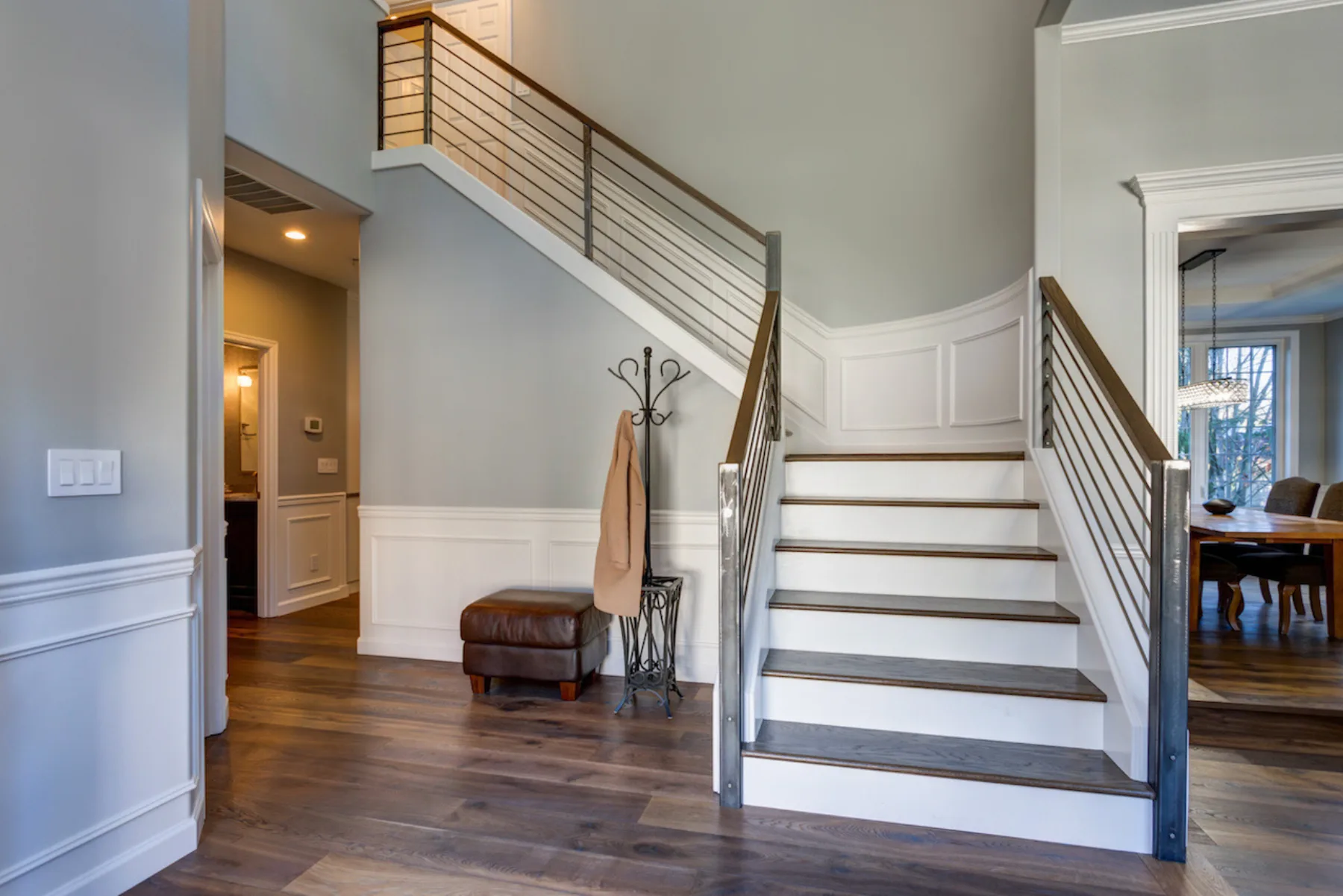
Carpenter in Tampa, FL for crown molding, trim, millwork, built-ins and carpentry repair. Free written estimate. Call (813) 379-9922.
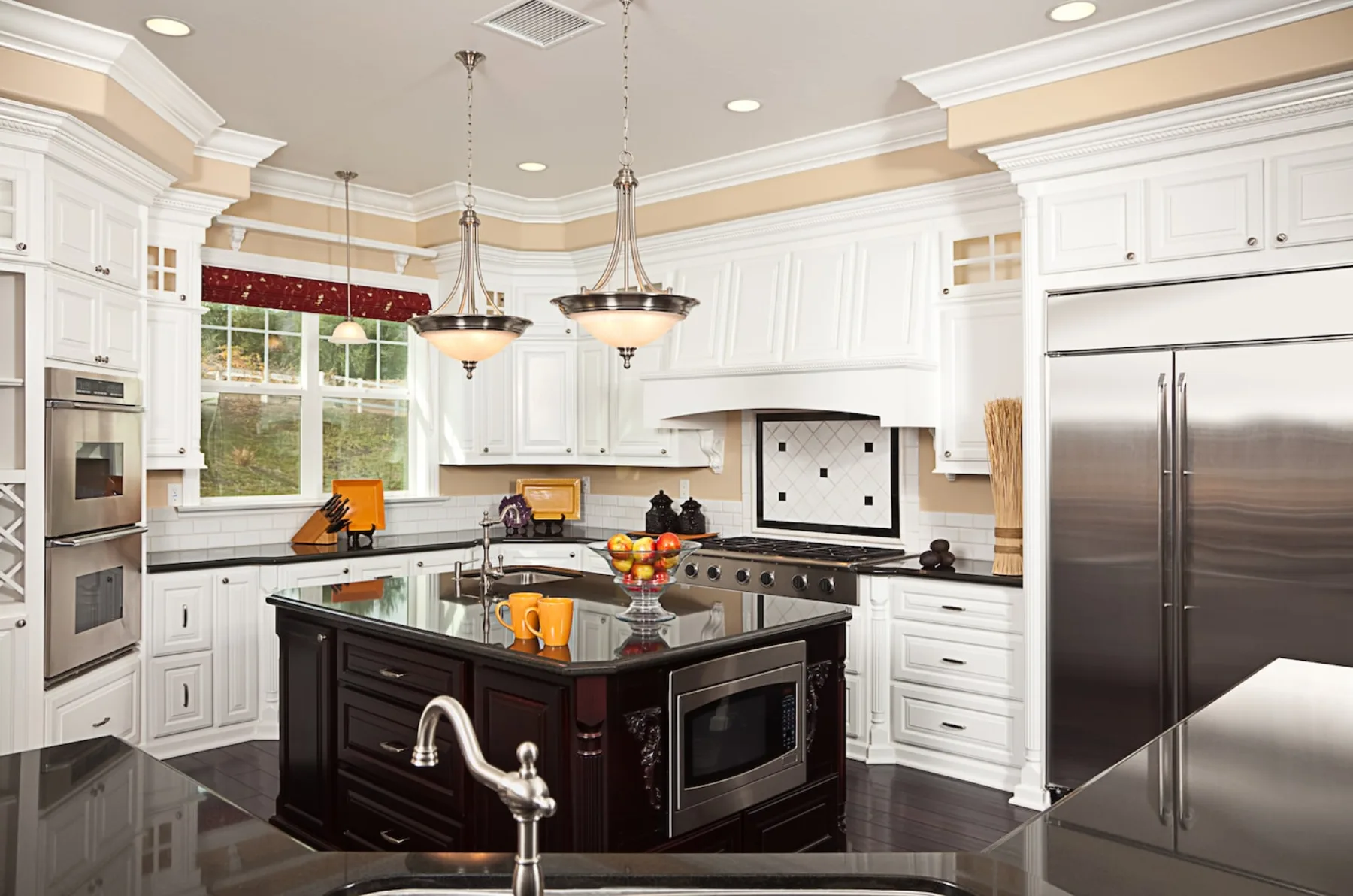
Countertop installation in Sarasota and Tampa: templating, leveling, seams and sink cutouts, plus countertop repair. Free estimate: (941) 212-2560.
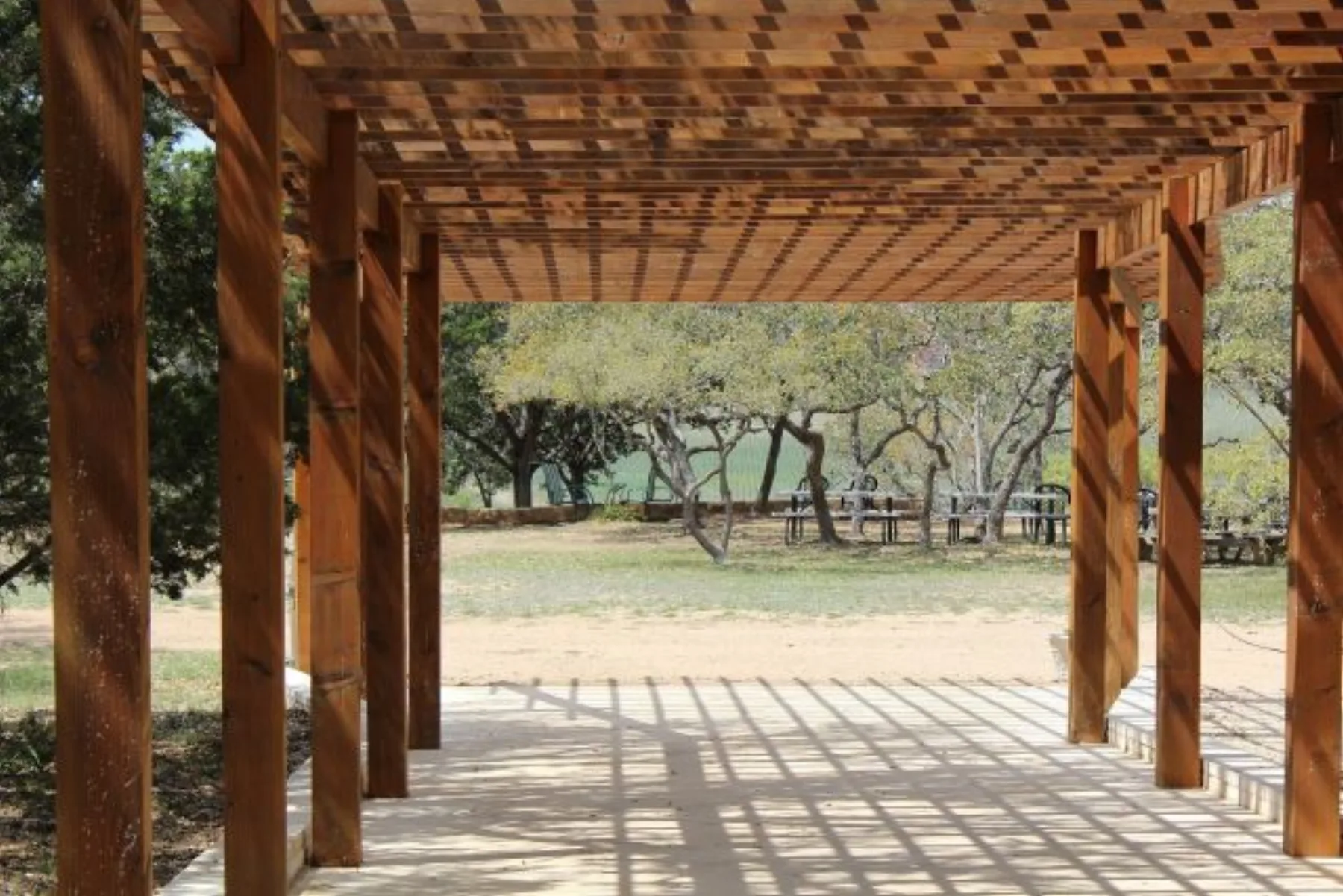
Custom pergola builders in Sarasota and Tampa. Wood pergolas engineered for Florida sun, wind and rain. Free estimate: (941) 212-2560.
How We Work
SWFL Carpenters builds and renovates wood and composite pool decks across Tampa and Sarasota, including raised decking around above-ground and in-ground pools, coping-adjacent framing, drainage details and repairs to soft or sagging sections. Call (941) 212-2560 for Sarasota or (813) 379-9922 for Tampa for a free estimate.
Pool water is chemically aggressive. Chlorine and salt-chlorine systems both splash out constantly, and that water sits on board surfaces and works into fastener holes and end grain. Some composites and hardwoods shrug this off; softer woods and wrong fasteners do not. Stainless steel fasteners are the correct default around pools, because chlorine attacks lesser coatings and a corroded screw near a pool edge is both a stain and a snagging hazard for bare feet.
Wood species matter too. Dense hardwoods resist chemical splash and stay smooth underfoot longer, but they need pre-drilling and quality fasteners. Pressure-treated pine works but demands diligent sealing and will check over time in full poolside sun. Composites avoid splinters entirely, which matters more around a pool than anywhere else, but the product must be rated for the application and gapped correctly, because pool decks see standing water more than any other deck.
Surface temperature is a real selection criterion in Florida. Dark colors and dense materials can reach temperatures in direct afternoon sun that bare feet simply cannot cross. Lighter colors, boards with cooler-running formulations, and orienting the deck so afternoon shade from the house or a pergola falls across high-traffic paths all make a measurable difference. If you have a material in mind, ask for a sample board and leave it in full sun for a day before committing; the barefoot test is honest.
Slip resistance is the other barefoot issue. Smooth-planed boards and some capped composites get slick when wet, especially with sunscreen residue. Textured or grooved surfaces, matte finishes, and avoiding film-forming glossy sealers all improve grip. Board orientation matters as well: running boards so the main walking direction crosses the texture, and keeping the surface clean of algae in shaded corners, keeps traction where people actually step.
A pool deck handles more water than any other surface around the house, and every gallon has to go somewhere. The deck surface should slope gently away from the pool edge and away from the house so splash-out and rain move off instead of ponding. Gaps between boards do part of the work, but the framing layout has to cooperate: joists and blocking arranged so water falling through the gaps can keep moving and the framing can dry.
Standing water under a pool deck is where rot and mosquitoes both breed. Ventilation below the deck, gravel or drainage-friendly ground cover beneath low sections, and avoiding fully boxed-in skirting without airflow keep the underside drying between storms. Where a wood or composite deck meets a concrete pool surround, the transition needs an expansion-aware detail so the two materials can move independently without trapping water in the seam.
Framing a pool deck follows deck rules with tighter margins. Joist spacing often runs closer than a standard deck, both because some poolside-rated boards demand it and because a bouncy deck feels worse when wet. All framing near a pool should be treated for ground and moisture exposure, and hardware should be hot-dipped galvanized at minimum, stainless where splash is constant. Posts and beams in persistently wet zones benefit from standoffs and barriers that keep wood out of standing water.
Repairs on existing pool decks usually start the same way: probe the framing near the waterline and under the steps, because that is where saturation concentrates. Soft joists get sistered or replaced, corroded hangers get swapped for rated hardware, and only then does new surface material go down. Resurfacing over a wet, weak frame is money spent on a deck that will move and sag again within a few seasons.
There is no single winner; there is a best fit for your yard. Quality composites avoid splinters and need little upkeep but can run hot in dark colors. Dense hardwoods stay smooth and handle splash well at a higher cost. Treated pine is economical but needs regular sealing. Sun exposure, barefoot traffic and your maintenance appetite decide it, and we walk through real samples during a free estimate.
Choose lighter colors, favor boards with cooler-running surfaces, and plan shade over the hottest zones. Before committing, put a sample board in full afternoon sun and test it barefoot. That one-day test tells you more than any product sheet.
Either can be slick or grippy depending on surface texture and condition. Smooth capped boards and glossy sealers are the slippery offenders; textured boards and matte, penetrating finishes grip better. Keeping shaded areas free of algae matters as much as the material itself.
Often, yes. If the framing is sound outside the damaged area, sections can be reframed and resurfaced while matching the existing layout as closely as the materials allow. We inspect the full frame first, because localized surface damage near a pool often points to a drainage problem underneath that should be corrected at the same time.
Cost depends on deck size, height, material choice, framing condition and drainage work. There is no honest flat number. Call (941) 212-2560 for Sarasota or (813) 379-9922 for Tampa and we will give you a free written estimate for your actual pool and yard.
Yes. The surface should fall gently away from the pool edge and the house so splash-out and rain drain off rather than pond, and the framing below has to let that water keep moving and dry out. Drainage is designed in, not added later.
Get a free estimate on a pool deck built with the right materials, fasteners and drainage for Florida water. Sarasota (941) 212-2560, Tampa (813) 379-9922.
Send a photo of the space and the rough dimensions and we will come back with a real number for the work.
(813) 379-9922 15219 Plantation Oaks Dr UNIT 4, Tampa, FL 33647
Tampa · Sarasota · Bradenton · St. Petersburg · Lakewood Ranch
We reply fast during working hours.